
What to Do After a Storm Damages Your Roof
A Texas Homeowner's Complete Guide
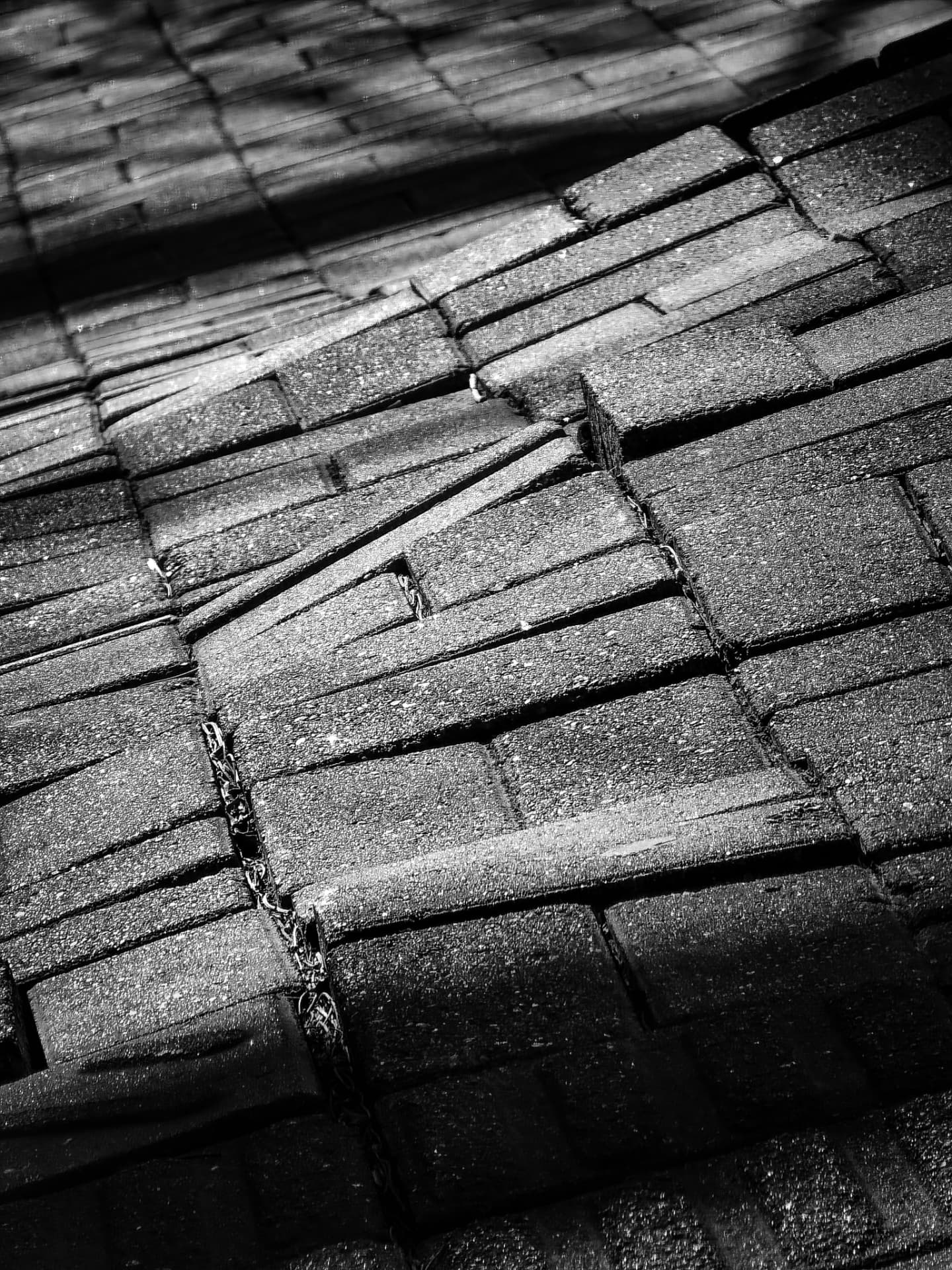
Texas storms are unpredictable. One day the skies are clear, and the next you're dealing with heavy rain, high winds, hail, or even hurricane-force weather. Whether you own a home or commercial property, storm damage can happen in a matter of minutes. Knowing what to do after storm roof damage can make the difference between a simple roof repair and an expensive roof replacement.
At Serenity Roofing & Construction, we understand how stressful it can be to discover a storm-damaged roof. As a trusted roofing company serving Houston and surrounding communities, we help homeowners and business owners recover quickly with professional inspections, emergency services, insurance claim assistance, and quality roofing solutions.
This guide explains exactly what to do after a storm, how to recognize hidden damage, when to call a roofing contractor in Houston TX, and how to protect your investment for years to come.
Step 1: Stay Safe Before Inspecting Your Roof
Safety should always come first after severe weather. Even if your roof appears intact from the ground, hidden structural damage could make it dangerous to climb onto it. Loose shingles, weakened decking, fallen power lines, and unstable tree limbs can create serious hazards.
Instead of climbing onto your roof:
- —Walk around your home from the ground
- —Use binoculars if available
- —Take photographs of anything unusual
- —Stay away from hanging branches or electrical hazards
A licensed roofing company has the proper equipment and training to safely inspect your roof.
Step 2: Look for Visible Signs of Storm Damage
Some roofing damage is obvious, while other issues remain hidden until they become expensive problems. Watch for:
- —Missing shingles
- —Cracked shingles
- —Lifted shingles
- —Bent flashing
- —Damaged gutters
- —Fallen tree limbs
- —Loose ridge caps
- —Roof debris
- —Granules collecting in gutters
- —Exposed roofing nails
These are all common indicators that you may need storm damage roof repair. If you notice any of these issues, schedule a professional roof inspection immediately.
Step 3: Check Inside Your Home
Many homeowners only inspect the outside of their property, but interior damage often appears first. Look for:
- —Ceiling water stains
- —Water dripping from ceilings
- —Wet insulation
- —Damp drywall
- —Mold growth
- —Musty odors
- —Attic moisture problems
- —Poor roof ventilation
- —Sunlight coming through the attic
These are common signs of roof leaks, water damage, and hidden structural issues. Ignoring these warning signs can lead to expensive repairs, mold remediation, and structural deterioration.
Step 4: Schedule a Professional Roof Inspection
One of the most important steps after severe weather is arranging a professional storm damage inspection. Even if your roof appears undamaged, hail impacts and wind uplift may have compromised its integrity.
A professional inspection includes checking:
- —Shingles
- —Flashing
- —Roof decking
- —Ventilation
- —Chimneys
- —Skylights
- —Gutters
- —Valleys
- —Ridge caps
- —Roof penetrations
A detailed inspection can reveal hidden hail damage, wind damage repair needs, small leaks, flashing repair requirements, ventilation problems, and structural weaknesses. Early detection often prevents much larger repair bills.
Step 5: Prevent Additional Damage
If your roof has been compromised, immediate action can prevent further destruction. Emergency services may include:
- —Emergency tarping services
- —Temporary leak protection
- —Debris removal
- —Water mitigation
- —Securing damaged roofing materials
Prompt action reduces the risk of interior flooding, ceiling collapse, mold growth, structural damage, and electrical hazards. When severe weather strikes, emergency roof repair is often necessary before permanent repairs can begin.
Step 6: Document Everything
Documentation is essential if you'll be filing an insurance roof claim. Take photos of:
- —Damaged shingles
- —Broken flashing
- —Fallen trees
- —Interior leaks
- —Ceiling stains
- —Damaged siding
- —Broken windows
- —Gutters
- —Fencing
- —Personal property
Save receipts for emergency repairs, temporary tarping, water removal, and hotel stays if applicable. The more documentation you have, the smoother your insurance claim process will be.
Step 7: Contact Your Insurance Company
Many Texas storms qualify for insurance-covered roof replacement or repairs. After documenting the damage, notify your insurance carrier promptly, schedule an adjuster inspection, avoid making permanent repairs until approved, and keep copies of all communications.
A reputable roof replacement company can help explain the repair process and provide documentation that supports your claim. Understanding how insurance claims work for roof damage helps homeowners avoid unnecessary delays and frustration.
Step 8: Don't Delay Repairs
Small problems quickly become major expenses. A few missing shingles today can become roof leaks, rotting decking, sagging roof sections, mold growth, structural damage, insulation damage, and ceiling repairs. Prompt roof repair saves money and extends the life of your roof.
Roof Repair vs. Roof Replacement
Roof Repair May Be Best If:
- —Damage is localized
- —The roof is relatively new
- —Only a few shingles are damaged
- —Flashing needs repair
- —Minor leak repair is needed
- —Wind damage affected only one area
Roof Replacement May Be Best If:
- —Large sections are damaged
- —Multiple leaks exist
- —The roof is nearing the end of its lifespan
- —Storm damage is extensive
- —Structural damage is present
- —Insurance covers replacement
Whether you need residential roof replacement or commercial roof replacement, a professional inspection provides the best recommendation.
Common Roofing Problems in Texas
- —Hail damage
- —Wind damage
- —UV deterioration
- —Heavy rainfall
- —Hurricane exposure
- —Flashing failures
- —Roof drainage problems
- —Poor roof ventilation
- —Aging roof warning signs
- —Heat expansion
Regular maintenance greatly reduces these risks.
Warning Signs of Hidden Roof Damage
- —Small leaks
- —Mold growth
- —Increased energy bills
- —Soft roof decking
- —Buckled shingles
- —Uneven roof lines
- —Sagging roof
- —Poor attic ventilation
- —Moisture around vents
How Long Does a Roof Last in Texas?
- —Asphalt shingles: 20–30 years
- —Metal roofing: 40–70 years
- —Tile roofing: 50–100 years
- —TPO roofing: 20–30 years
- —Modified bitumen roofing: 20–25 years
Texas heat, hail, high winds, and severe storms can shorten these lifespans without proper maintenance.
Questions to Ask Before Hiring a Roofer
- —Are you licensed and insured?
- —Do you provide written estimates?
- —Do you assist with insurance claims?
- —What warranties do you offer?
- —How long have you served the community?
- —Can you provide references?
- —What roofing materials do you recommend?
- —Do you offer financing?
Final Thoughts
Storms are an unavoidable part of life in Texas, but major roofing problems don't have to be. Acting quickly after severe weather can prevent further damage, simplify the insurance process, and save thousands of dollars in future repairs. If you've noticed roof leaks, missing shingles, ceiling water stains, or any other signs of a storm-damaged roof, don't wait until the problem worsens.
Contact Serenity Roofing & Construction for a Free Estimate
If your property has experienced storm damage or you simply want the confidence that your roof is in excellent condition, contact Serenity Roofing & Construction today at 713-283-8143 for your free roofing estimate.
Ready to Protect Your Roof?
We offer free roof inspections with no obligation. Catch issues early before Houston weather makes them worse.