
Storm Damage Roof Repair: What Texas Homeowners Should Do
After hail, high winds, or severe weather
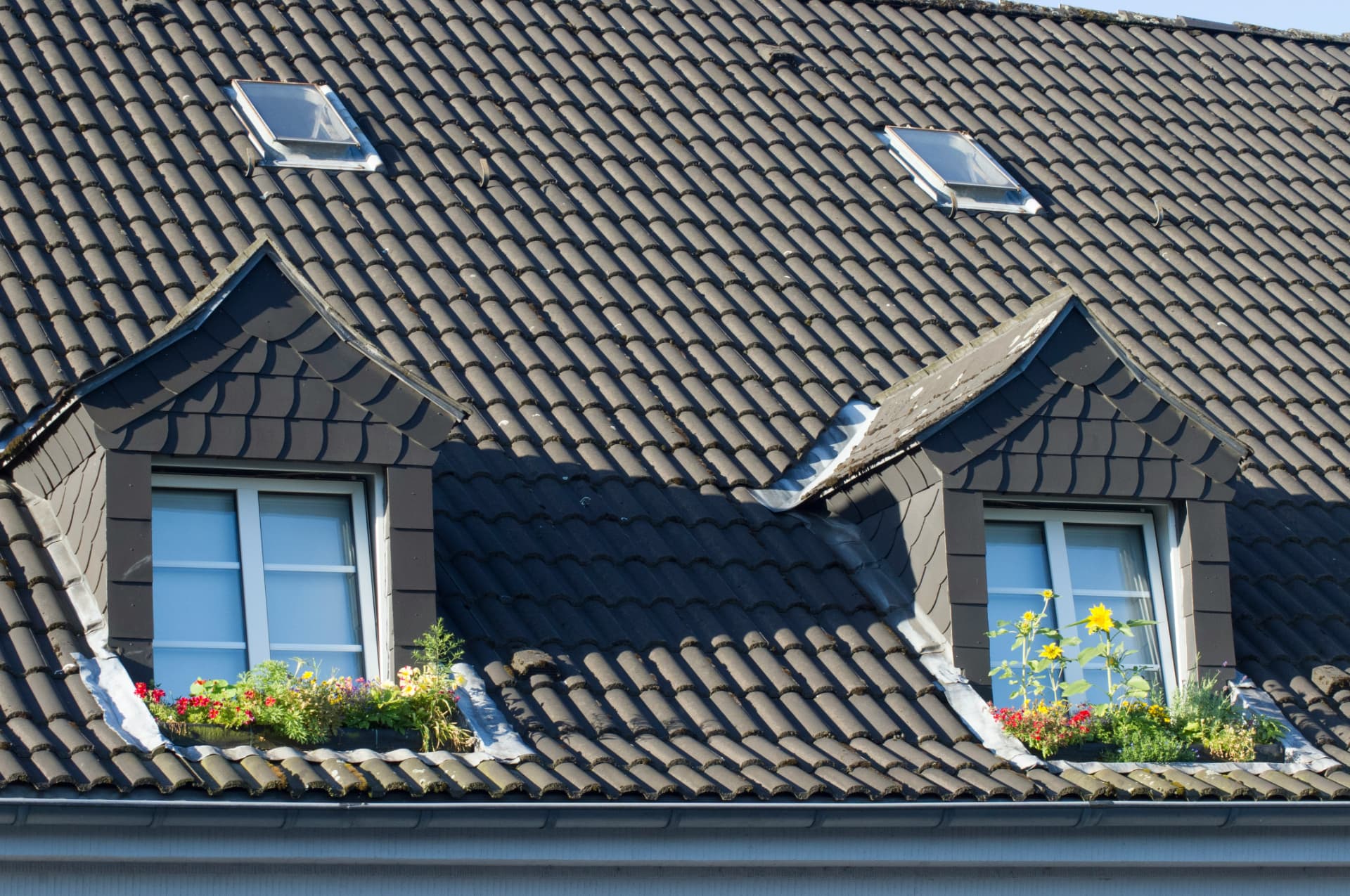
Texas weather can change quickly. One minute the sky is clear, and the next your home may be facing heavy rain, powerful winds, damaging hail, or severe thunderstorms. The challenge is that roof damage after a storm isn't always obvious.
Taking the right steps after severe weather can help prevent additional water damage, identify hidden roofing problems, simplify potential insurance claims, and determine whether your home needs storm damage repair or a complete replacement.
Why Storm Damage Repair Shouldn't Be Delayed
Hail can damage shingles without creating holes. High winds can loosen shingles without removing them. Flashing can lift around chimneys and vents. Water can enter through tiny openings and travel underneath roofing materials long before ceiling stains appear.
A seemingly minor storm-damaged roof can eventually result in:
- —Roof leaks and water-damaged decking
- —Wet insulation
- —Attic moisture problems and mold
- —Ceiling water stains and damaged drywall
- —Poor roof ventilation
- —Structural deterioration and sagging
How Hail Damages Your Roof
With asphalt shingle roofing, hail impacts damage the protective granule layer that shields the material from sunlight and weather exposure. Hail may also crack shingles, bruise roofing materials, damage vents, and affect flashing.
The problem is that hail damage may not immediately create a leak. Instead, weakened materials deteriorate over time until water eventually enters the home. If a significant hailstorm affected your neighborhood, schedule an inspection even if the roof looks fine from the driveway.
How High Winds Damage Roofing Systems
Wind can lift shingles, break their seals, loosen roofing components, damage flashing, and remove sections of roofing material entirely. Sometimes shingles remain in place but have been loosened enough to allow water underneath during the next rainstorm.
What to Do Immediately After a Storm
Safety comes first. Do not climb onto a wet or potentially damaged roof yourself. Inspect your property from the ground and look for missing shingles, fallen limbs, roofing debris, damaged gutters, or dented vents. Inside, look for water stains, dripping water, damp insulation, or discoloration.
If water is actively entering the home, contact a professional about emergency roof repair. Temporary tarping may be necessary to prevent additional water intrusion until permanent repairs can be completed.
Schedule a Professional Storm Damage Inspection
A qualified contractor can evaluate areas homeowners can't safely reach:
- —Shingles and ridge caps
- —Flashing and roof penetrations
- —Vents and valleys
- —Gutters and drainage
- —Roof decking
- —Attic ventilation
- —Signs of water intrusion
Document Storm Damage Carefully
Take photos or video of visible property damage from safe locations — fallen branches, missing shingles, damaged gutters, interior water stains, damaged fencing. A professional roofing company will also document roofing damage during its inspection, which can be valuable when discussing insurance claims with your carrier.
How Insurance Claims Work for Roof Damage
Coverage depends on your individual policy and the cause of the damage. Storm-related damage from wind, hail, or falling trees may qualify for coverage, while normal wear and age typically require different consideration. Review your policy carefully, understand your deductible, and contact your insurance company when appropriate.
Repair or Replacement After Storm Damage?
Roofing experts typically consider:
- —Age of the existing roof
- —Amount of storm damage
- —Number of damaged shingles
- —Condition of the roof decking
- —Previous repairs
- —Number of affected roof slopes
- —Roofing material and presence of leaks
If damage is isolated, shingle replacement, flashing repair, or another form of localized repair may solve the problem. A full replacement becomes necessary when damage is widespread or the roofing system is already near the end of its service life.
Common Roofing Problems in Texas After Storms
- —Missing and cracked shingles
- —Loose flashing
- —Roof leaks
- —Hail impact damage
- —Wind-lifted shingles
- —Damaged vents
- —Roof drainage problems
- —Attic moisture and mold
- —Ceiling water stains
- —Damaged decking and sagging sections
Choosing a Roofing Contractor After a Storm
Major storms bring an influx of roofing companies into affected communities. Ask whether the company is established locally, carries appropriate insurance, has storm damage experience, will provide a detailed inspection, can document the damage, and offers written estimates.
Don't Wait for Storm Damage to Become a Leak
Storm damage may exist long before water appears inside your home. Contact Serenity Roofing & Construction at 713-283-8143 to book a roof inspection and request a free roofing estimate after severe weather.
Ready to Protect Your Roof?
We offer free roof inspections with no obligation. Catch issues early before Houston weather makes them worse.