Why Houston Homeowners Should Schedule a Roof Inspection Before Hurricane Season
Preparation beats emergency repairs every time
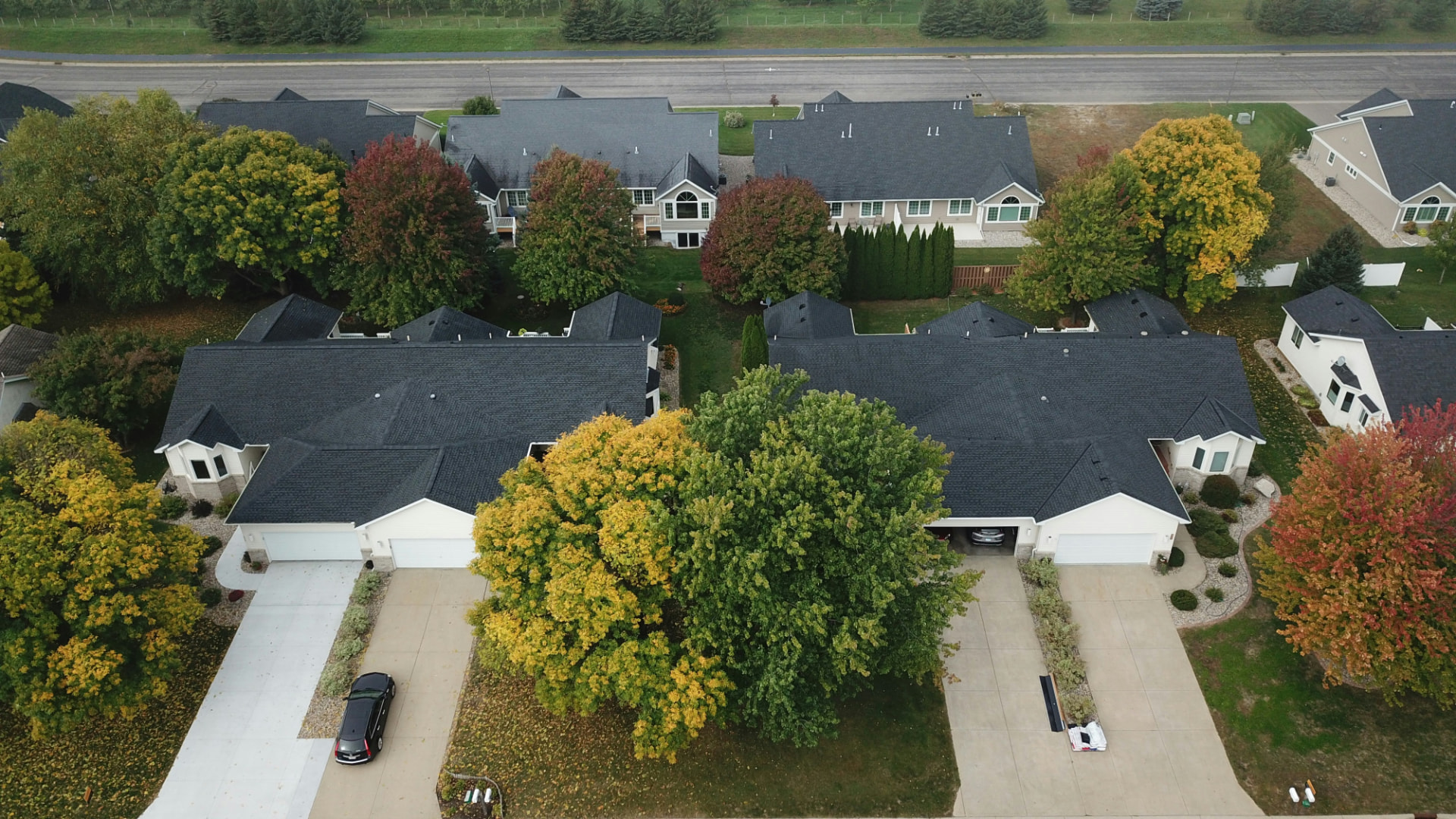
For Houston homeowners, hurricane season is more than something to watch on the weather forecast. Heavy rain, powerful winds, hail, flying debris, and sudden severe storms can put tremendous stress on a roofing system. A roof that appears perfectly fine from the ground may have loose shingles, damaged flashing, deteriorated sealants, poor ventilation, or other hidden weaknesses that can become major problems during the next storm.
That is why one of the smartest steps homeowners can take is to schedule a roof inspection before hurricane season. A professional inspection can identify potential problems early, giving you an opportunity to complete necessary repairs and maintenance before severe weather arrives — potentially saving thousands of dollars in emergency repairs and water damage.
Why Houston Roofs Face Unique Challenges
Houston's climate can be tough on a roof throughout the entire year. Intense heat and UV exposure are followed by thunderstorms, high winds, heavy rainfall, hail, and the possibility of tropical storms and hurricanes. These constantly changing conditions accelerate normal roof deterioration.
There is no single answer to how long a roof lasts in Texas. Lifespan depends on the roofing material, quality of the original installation, ventilation, maintenance, and storm exposure. Even relatively new roofs can experience storm damage, which is why age alone should not determine whether you schedule an inspection.
Small Problems Become Major Problems During a Hurricane
One of the biggest misconceptions about roofing is that if there is no active leak, there is no problem. A few loose shingles, minor flashing damage, or deteriorated sealant may not cause noticeable issues during an ordinary rainstorm. Add hurricane-force winds and torrential rain, and those weaknesses can quickly become serious.
Common problems a pre-season inspection may uncover include:
- —Missing, cracked, loose or lifted shingles
- —Damaged flashing and deteriorated sealants
- —Signs of previous hail damage
- —Improper drainage
- —Soft or damaged decking
- —Poor roof ventilation
- —Attic moisture problems and roof mold
- —Damaged vents
- —Areas vulnerable to wind uplift
- —Previous repairs that are beginning to fail
How to Spot Roof Leaks Early
A roof leak does not always begin with water pouring into your living room. Sometimes the first indications are surprisingly subtle: ceiling water stains, discoloration around vents, peeling paint, damp insulation, musty odors, unexplained attic moisture, mold growth, or warped drywall.
Water can enter through one area of a roofing system and travel along decking, rafters, or insulation before becoming visible inside the home. The location of a ceiling stain does not necessarily reveal the source of the leak, which is why the entire roofing system should be inspected.
Warning Signs of Hidden Roof Damage
- —Cracked or curling shingles
- —Granules collecting in gutters
- —Unexplained water stains
- —Loose flashing
- —Sagging areas in the roofline
- —Excessive attic heat
- —Increased energy bills
- —Moisture inside the attic
Hail can weaken shingles without immediately creating a leak, and wind can compromise seals while leaving shingles apparently in place. A professional storm damage inspection helps identify these less obvious problems.
Preparing Your Roof for Hurricane Season
A hurricane cannot be prevented, but many vulnerabilities can. Replacing damaged shingles, repairing compromised flashing, addressing drainage problems, and correcting vulnerable areas all improve a roof's ability to withstand severe weather.
Homeowners should also keep trees properly maintained and remove dead or damaged limbs that could fall during high winds. Gutters and drainage systems should remain clear so heavy rainfall can move away from the roofing system efficiently, and attic ventilation should be evaluated.
What to Do After Storm Roof Damage
Never climb onto a wet or storm-damaged roof yourself. Roofing surfaces can be extremely dangerous, particularly when shingles, decking, or structural components have been compromised. Contact a professional roofing contractor for an inspection instead.
If immediate action is needed to reduce additional water intrusion, emergency tarping may temporarily protect exposed areas until permanent repairs can be completed. Following significant weather, homeowners may need storm damage repair, hail damage repair, wind damage repair, leak repair, shingle replacement, or flashing repair.
Roof Repair vs. Roof Replacement
If the damage is limited to a relatively small area and the rest of the roof is in good condition, repair may be sufficient — replacing missing shingles, repairing flashing, or addressing a localized leak. Replacement may be needed when damage is widespread, the roofing system is approaching the end of its useful lifespan, repeated repairs are becoming necessary, or structural deterioration is present.
How Much Does a New Roof Cost in Texas?
Prices vary considerably. Replacement cost depends on the home's size, roof pitch, complexity, materials, labor requirements, ventilation needs, decking condition, and removal of existing materials. Because every home is different, an online estimate cannot replace an on-site evaluation. Ask about financing options and material choices that fit your goals and budget.
Don't Forget Commercial Roofing Before Storm Season
Hurricane preparation is equally important for Houston business owners and property managers. Commercial roofs often have different designs, materials, drainage systems, and maintenance requirements — including flat roofing, TPO, and modified bitumen systems that need their own pre-season evaluation.
Questions to Ask Before Hiring a Roofer
- —Is the company properly licensed and insured for the work?
- —What experience does it have with your type of roofing system?
- —What warranties apply?
- —What will the project process involve?
- —Will you receive written documentation of the proposed work?
Don't Wait Until a Hurricane Is in the Forecast
Once a major storm is approaching Houston, roofing companies quickly become busy with urgent calls. Scheduling earlier gives you time to understand your roof's condition and make informed decisions. Whatever the outcome, knowing before the storm is better than discovering a problem in the middle of one.
Schedule Your Houston Roof Inspection
Houston homeowners cannot control hurricane season, but they can prepare. Contact Serenity Roofing & Construction at 713-283-8143 to schedule a roof inspection and get a free estimate before the next Texas storm.
Ready to Protect Your Roof?
We offer free roof inspections with no obligation. Catch issues early before Houston weather makes them worse.